
How It Works & Average Weight Loss
Progress in medical weight management often begins when appetite control and metabolic health work together rather than compete. Mounjaro® (Tirzepatide) has emerged as an option that addresses both areas through a dual-hormone approach, which sets it apart from earlier injectable medications.
When used under physician guidance, Mounjaro® can support medical weight loss plans that emphasize sustainable outcomes instead of short-term solutions.
In clinical trials, Mounjaro (tirzepatide) led to average weight loss of about 15%–21% over 72 weeks, with 15 mg dose often resulting in more than 20%–25% loss.

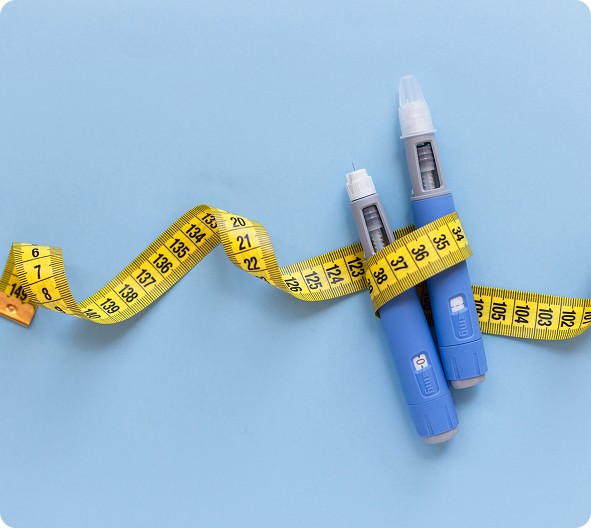
Understanding Mounjaro® and Tirzepatide
Mounjaro® is a once-weekly injectable medication (FDA approved for diabetes type-2) that contains tirzepatide Tirzepatide acts on two hormone pathways involved in appetite and glucose regulation. Many people recognize medications that focus solely on GLP-1 activity, such as Ozempic®.
Mounjaro® stands apart because tirzepatide also activates GIP, another incretin hormone involved in insulin response and satiety.
Clinicians may also prescribe Mounjaro® (tirzepatide) off-label for medical weight loss in suitable patients, as growing clinical evidence demonstrates its beneficial effects on weight reduction, type 2 diabetes, and overall metabolic health.
How Mounjaro® Works in the Body
Tirzepatide activates both GLP-1 and GIP receptors simultaneously.
This dual action leads to several effects that matter in weight management:
Together, these actions help many patients eat less without constant hunger and maintain steadier energy levels.


Who May Be Eligible for Mounjaro®
Eligibility depends on age, health history, and body mass index. Adults may qualify for Mounjaro® for medical weight loss
if they meet one or more of the following criteria:
Weight Changes Observed With Mounjaro®
Clinical trials show notable results. Data from a landmark trial showed that average body weight reductions of up to 23 percent with extended follow-up. Participants with type 2 diabetes also experienced meaningful A1C improvements at higher doses.
In clinical practice, results vary. At Worthy Weight Loss, patients often see significant changes when medication is paired with nutrition guidance and activity planning. Some individuals achieve reductions of up to 30 percent under close physician oversight.


How Mounjaro® Is Administered and Dosage Overview
Mounjaro® comes as a once-weekly subcutaneous injection. Providers usually begin at a low dose and increase gradually to limit side effects. Dose adjustments depend on tolerance, response, and overall health goals. Regular follow-ups guide these decisions and allow refinements along the way.
How GLP-1 Medications Are Prescribed and Accessed
Insurance coverage varies widely. Some plans cover Mounjaro® for diabetes management but not for weight loss. Cash-pay options and manufacturer programs may help reduce out-of-pocket costs. Our team discusses access options during consultations, so patients understand the financial landscape before starting.
A Physician-Guided Approach to Using Mounjaro® Effectively
Medication works best as part of a bigger picture. At Worthy Weight Loss, care comes from a board-certified obesity medicine physician with experience in both surgical and non-surgical weight management. That background allows us to guide patients through medication therapy, bariatric aftercare, and long-term planning with consistency and medical insight.
Contact us to talk about ZEPBOUND® and medical weight loss today.


