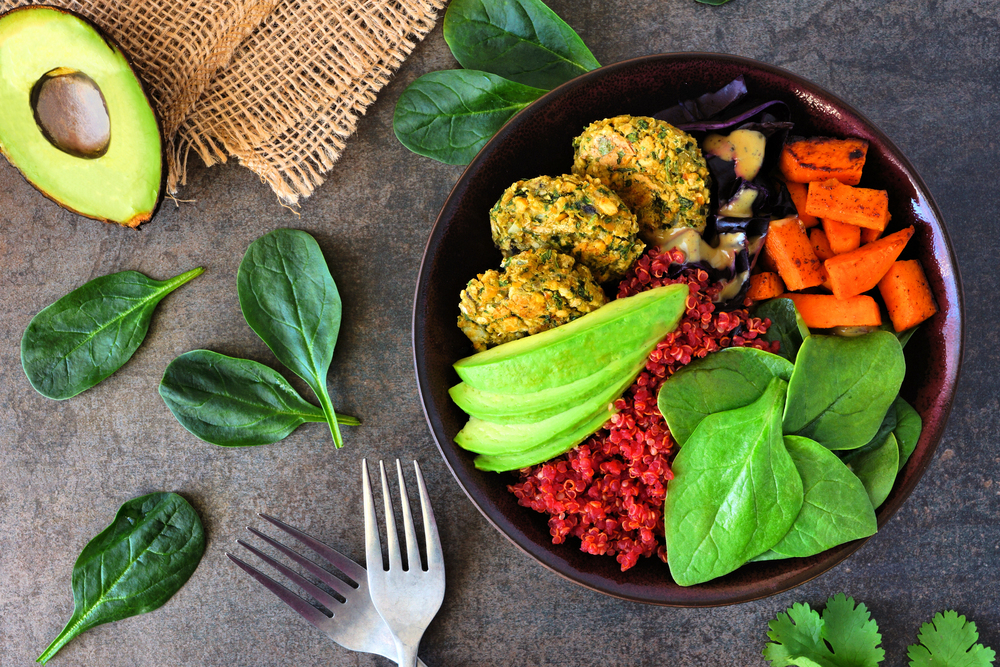
Weight loss as a vegan can be an effective way to shed pounds while improving overall health. The vegan diet eliminates animal products, replacing them with plant-based foods rich in nutrients, fiber, and antioxidants. This diet is linked to various health benefits, including weight loss, lower blood sugar levels, and reduced inflammation.
For those struggling with weight loss, particularly those managing diabetes or obesity, adopting a vegan diet can be a natural and sustainable solution. If you’re unsure whether this approach is right for your needs, you can check if you are a candidate for personalized medical weight loss guidance. With the right support and planning, you can also start your weight loss journey in a way that aligns with your health goals.
What Is a Vegan Diet?
A vegan diet excludes all animal products, including meat, dairy, eggs, and even honey. It is a type of plant-based diet that emphasizes whole grains, legumes, fruits, vegetables, nuts, and seeds. Many people who choose veganism do so for ethical reasons, such as concerns about animal cruelty, or environmental factors, like reducing their carbon footprint.
However, a significant number of individuals are turning to the vegan diet as a means of improving their health, particularly for weight loss and better management of chronic diseases.
How Does a Vegan Diet Promote Weight Loss?
One of the main benefits of a vegan diet for weight loss is its ability to naturally reduce calorie intake. Plant-based foods are generally lower in calories and fat compared to animal products. Moreover, vegan diets are high in fiber, which helps with digestion and promotes a feeling of fullness.
This means you can consume larger portions of food without the risk of overeating. Vegan meals typically include foods that are more filling and nutrient-dense, helping to control hunger and prevent excessive calorie consumption.
The Role of Fiber in Weight Loss
Fiber plays a crucial role in the weight loss process. Most plant-based foods, such as vegetables, fruits, legumes, and whole grains, are packed with fiber. Fiber helps regulate blood sugar levels, improves digestion, and promotes feelings of fullness. This reduces the likelihood of overeating and snacking between meals.
Additionally, fiber helps regulate cholesterol levels and supports heart health. It is often one of the overlooked benefits of a vegan diet, as the fiber content is usually higher than that of a meat-based diet.
- Promotes satiety: Fiber helps you feel full for longer periods, reducing the urge to snack or overeat during meals.
- Regulates blood sugar: Fiber slows the absorption of sugar into the bloodstream, preventing spikes and crashes in blood sugar levels.
- Supports digestive health: High-fiber foods aid in regular bowel movements, preventing constipation and promoting a healthy gut.
- Lowers cholesterol: Soluble fiber, found in foods like oats and legumes, can help lower bad cholesterol levels, improving heart health.
- Improves metabolism: By slowing digestion, fiber helps maintain a steady release of energy, supporting healthy metabolism and weight loss.
- Enhances nutrient absorption: Fiber-rich foods increase nutrient absorption in the digestive tract, ensuring that the body receives vital vitamins and minerals.
Vegan Diet and Metabolism
A vegan diet can help rev up your metabolism, which is important for weight loss. Foods high in fiber and complex carbohydrates, like vegetables, whole grains, and legumes, require more energy to digest than simple carbohydrates found in processed foods.
This can increase the number of calories burned during digestion. Plant-based foods are typically nutrient-dense and low in unhealthy fats, making them a healthy and sustainable choice for boosting metabolism and supporting fat-burning processes.
The Importance of Portion Control
While a vegan diet offers many benefits, it does not mean that you can eat unlimited amounts of food. Portion control is just as important on a vegan diet as it is with any other diet. Vegan foods, though low in calories, can still contribute to weight gain if eaten in large quantities.
Focusing on proper portion sizes, particularly for higher-calorie plant-based foods like nuts, seeds, and avocados, will help maintain a healthy weight. Even the healthiest foods can contribute to weight gain when consumed in excess.
Nutrients to Focus On for Weight Loss
When following a vegan diet, it is important to ensure you are consuming enough essential nutrients that contribute to overall health and weight loss. Here are some key nutrients to focus on:
- Protein: Vegan protein sources include legumes, tofu, tempeh, seitan, and quinoa. Protein is essential for building and repairing muscle, and it helps keep you full for longer.
- Healthy Fats: Incorporating healthy fats, such as those from avocados, nuts, seeds, and plant-based oils, can help control appetite and increase satiety.
- Iron: Plant-based iron sources, like spinach, lentils, and fortified cereals, are important for energy levels and overall health.
- Vitamin B12: This vitamin is mainly found in animal products, so vegans must consume fortified foods or consider supplements.
Ensuring a balanced intake of these nutrients will help avoid deficiencies that could hinder weight loss efforts.
Avoiding Processed Vegan Foods
It is important to remember that not all vegan foods are healthy. Vegan junk foods, such as chips, cookies, and processed meat alternatives, can be high in unhealthy fats, sugar, and calories. These foods may be convenient, but they do not provide the necessary nutrients to promote weight loss or improve overall health.
Instead, focus on whole, plant-based foods that are rich in fiber as well as nutrients. Whole foods such as vegetables, fruits, and legumes will help you stay on track with your weight loss goals.
Vegan Diet and Insulin Sensitivity
Insulin sensitivity plays a major role in weight loss. Insulin is the hormone responsible for allowing cells in the body to take in glucose from the bloodstream for energy. When the body becomes resistant to insulin, it struggles to regulate blood sugar, leading to weight gain.
A vegan diet can improve insulin sensitivity by reducing the intake of refined sugars and unhealthy fats found in animal products. By replacing these foods with plant-based options, you may improve insulin response and encourage fat-burning, which is critical for effective weight loss.
Combining Veganism with Physical Activity
A vegan diet should be complemented with regular physical activity to maximize weight loss. Exercise helps burn additional calories, increases metabolism, and supports muscle mass retention. Strength training, in particular, is important on a vegan diet because it helps maintain lean muscle while losing fat.
Cardiovascular exercises such as walking, jogging, or cycling will also help improve heart health and boost calorie burning. A well-rounded fitness routine that includes both cardio and strength training will complement a vegan diet and accelerate weight loss efforts.
Challenges of Following a Vegan Diet
Although the vegan diet offers many health benefits, it is not without its challenges. Some individuals may find it difficult to make the transition, particularly when eating out or socializing. Vegan options can be limited in certain areas, and dining out can require more careful planning.
Additionally, the lack of certain animal-based nutrients, such as B12 and omega-3 fatty acids, requires vegans to pay closer attention to food choices and supplementation. However, with proper planning, a vegan diet can be nutritionally balanced and effective for weight loss.
Achieving Weight Loss as a Vegan with Worthy Weight Loss
At Worthy Weight Loss, we understand that adopting a vegan diet for weight loss requires thoughtful planning as well as careful attention to nutritional needs. Our personalized weight loss plans take into account your dietary preferences and health goals.
We offer support in making a smooth transition to a plant-based diet, ensuring you get the right balance of nutrients while achieving your weight loss goals. Let us help you achieve lasting health and wellness with a sustainable, plant-based approach to weight loss.